Welcome, fellow business enthusiasts! In today’s fast-paced economy, maximizing production efficiency is crucial for staying competitive and thriving in the market. One powerful tool that can help businesses achieve this goal is the implementation of Enterprise Resource Planning (ERP) systems. By streamlining processes, optimizing resources, and providing real-time data insights, ERP systems can help businesses boost productivity, reduce costs, and make informed decisions. Let’s explore how ERP systems can revolutionize production efficiency and propel your business to new heights!
Streamlining Production Processes with ERP
When it comes to managing production processes, efficiency is key. Companies are constantly looking for ways to streamline their operations in order to reduce costs, eliminate waste, and increase productivity. This is where Enterprise Resource Planning (ERP) systems come into play. ERP software is designed to integrate all aspects of a company’s operations, including production, inventory, supply chain, and more, into one cohesive system. By implementing an ERP system specifically designed for production, manufacturers are able to optimize their processes and increase overall efficiency.
One of the key benefits of using an ERP system for production is the ability to automate workflows. Instead of relying on manual processes and outdated systems, ERP software allows manufacturers to automate tasks such as inventory tracking, production scheduling, and order processing. This not only saves time and reduces the risk of errors, but it also allows employees to focus on more strategic tasks that can help drive the business forward. By streamlining these processes, companies can reduce lead times, improve on-time delivery rates, and ultimately increase customer satisfaction.
Another way that ERP systems streamline production processes is by providing real-time visibility into operations. With a centralized database that is constantly updated, manufacturers can easily track the status of orders, monitor inventory levels, and analyze production performance. This real-time data allows companies to quickly identify bottlenecks, spot trends, and make informed decisions that can help improve efficiency and streamline operations. By having access to accurate and up-to-date information, manufacturers are better equipped to respond to changing market demands and make adjustments to their production processes as needed.
ERP systems also help to standardize processes across different departments and locations. By providing a single source of truth for all data and information, ERP software ensures that everyone in the organization is working from the same playbook. This consistency not only improves communication and collaboration, but it also allows for better coordination between teams and departments. With standardized processes in place, companies can reduce confusion, minimize errors, and increase overall productivity.
Furthermore, ERP systems help manufacturers to better manage their resources. By tracking key performance indicators (KPIs) such as production output, machine downtime, and labor efficiency, companies can identify areas where improvements can be made. Whether it’s investing in new equipment, adjusting staffing levels, or optimizing production schedules, ERP software provides the insights needed to make data-driven decisions that can optimize resource utilization and drive cost savings.
In conclusion, ERP systems play a crucial role in streamlining production processes for manufacturers. By automating workflows, providing real-time visibility, standardizing processes, and optimizing resource management, ERP software helps companies to increase efficiency, reduce costs, and improve overall performance. With the right ERP system in place, manufacturers are better positioned to meet customer demands, stay competitive in the market, and achieve long-term success.
Enhancing Supply Chain Management through ERP
Implementing an ERP system in the production industry can greatly enhance supply chain management efficiency. ERP software enables companies to streamline their operations, increase transparency, and optimize their overall supply chain processes. By integrating different departments within a company, such as production, inventory, procurement, and logistics, ERP systems enable real-time information sharing and collaboration.
One of the key benefits of using ERP for production is improved inventory management. With an ERP system in place, companies can accurately track inventory levels, monitor production schedules, and forecast demand more effectively. This helps to prevent stockouts, reduce excess inventory, and improve overall inventory turnover. By having real-time visibility into stock levels, production managers can make informed decisions about ordering raw materials and scheduling production runs.
Furthermore, ERP systems provide tools for better demand planning and forecasting. By analyzing historical data and market trends, supply chain managers can make more accurate demand forecasts and plan production schedules accordingly. This results in reduced lead times, improved customer satisfaction, and decreased carrying costs for excess inventory. With better demand planning capabilities, companies can optimize production schedules to meet customer demand while minimizing production costs.
Another important aspect of enhancing supply chain management through ERP is improved quality control. ERP systems can track product quality throughout the production process, from raw materials inspection to finished goods testing. By implementing quality control checkpoints at different stages of production, companies can identify and address quality issues in real-time. This helps to reduce defects, minimize rework, and ensure that only high-quality products are delivered to customers.
Moreover, ERP systems facilitate better communication and collaboration with suppliers and vendors. By sharing real-time information on inventory levels, production schedules, and quality requirements, companies can build stronger relationships with their suppliers. This enables suppliers to better plan their production processes, anticipate demand fluctuations, and deliver materials on time. Enhanced collaboration with suppliers can result in shorter lead times, lower costs, and improved overall supply chain performance.
In conclusion, implementing an ERP system in the production industry can significantly enhance supply chain management efficiency. By integrating different departments, improving inventory management, enabling better demand planning, ensuring quality control, and fostering collaboration with suppliers, ERP systems help companies streamline their operations and optimize their supply chain processes. With better visibility, control, and communication, companies can improve productivity, reduce costs, and achieve greater customer satisfaction.
Improving Efficiency and Traceability with ERP
Implementing an ERP system for production can greatly improve efficiency and traceability in your manufacturing processes. By centralizing all data and operations in one system, communication and collaboration between departments becomes seamless. This enhanced connectivity leads to better coordination of activities, fewer delays, and ultimately, increased productivity.
With an ERP system in place, every aspect of the production process is easily monitored and tracked in real-time. Managers and supervisors can access up-to-date information on inventory levels, work orders, and schedules, allowing them to make quick and informed decisions. Additionally, the visibility provided by ERP software enables better forecasting and planning, helping to avoid bottlenecks and ensure on-time deliveries.
One of the key benefits of using ERP for production is the ability to streamline workflows and eliminate manual processes. Tasks that were once time-consuming and error-prone, such as data entry and reporting, can now be automated with the click of a button. This not only saves time but also reduces the risk of human error, leading to higher accuracy and quality in the production output.
Another advantage of ERP software is its ability to track and trace materials throughout the production cycle. With integrated barcode scanning and serial number tracking, manufacturers can easily trace the origin of raw materials and components, as well as monitor the movement of finished goods. This level of traceability not only helps in quality control and compliance with industry regulations but also provides valuable insights for process optimization and continuous improvement.
Furthermore, ERP systems provide detailed insights into production costs, allowing companies to identify areas of waste and inefficiency. By analyzing data on labor, materials, and overhead expenses, manufacturers can pinpoint opportunities for cost reduction and performance improvement. With a comprehensive view of the entire production process, decision-makers can take proactive steps to optimize resource utilization and maximize profitability.
In conclusion, ERP systems offer a powerful solution for improving efficiency and traceability in production operations. By centralizing data, automating processes, and providing real-time visibility, manufacturers can streamline workflows, reduce costs, and enhance quality. With ERP software, companies can stay competitive in today’s fast-paced manufacturing environment and drive sustainable growth for the future.
Real-time Monitoring and Reporting in Production with ERP
When it comes to production management, having real-time monitoring and reporting capabilities is crucial for maximizing efficiency and productivity. ERP systems play a key role in providing this functionality by allowing businesses to track and analyze their production processes in real-time.
With ERP systems, managers and supervisors can keep a close eye on the production floor from anywhere, whether they are in the office or on the go. They can view real-time data on production output, equipment performance, inventory levels, and more, giving them the ability to make quick decisions and adjustments as needed.
One of the main benefits of real-time monitoring with ERP is its ability to help businesses identify and address issues as they arise. For example, if a machine breaks down or a production line is running behind schedule, managers can be alerted immediately through the ERP system, allowing them to take swift action to resolve the problem and keep production on track.
Furthermore, real-time monitoring with ERP can also help businesses improve their overall production efficiency. By closely monitoring key production metrics, such as cycle times, downtime, and scrap rates, managers can identify areas for improvement and implement changes to optimize their processes.
Another important aspect of real-time monitoring and reporting with ERP is its ability to provide insights into production performance over time. By analyzing historical data and trends, businesses can identify patterns and make predictions about future production outcomes, helping them to better plan and allocate resources.
Additionally, ERP systems can generate real-time reports and dashboards that provide managers and decision-makers with a comprehensive overview of their production operations. These reports can be customized to show key performance indicators, production trends, and other relevant information, allowing businesses to make data-driven decisions that drive continuous improvement.
Overall, real-time monitoring and reporting in production with ERP systems are essential for businesses looking to stay competitive in today’s fast-paced manufacturing environment. By leveraging the power of real-time data and analytics, businesses can optimize their production processes, reduce downtime, and improve overall efficiency, ultimately leading to increased profitability and customer satisfaction.
Customizing ERP Solutions for Production Needs
When it comes to implementing an ERP system for production, it is important to customize the solution to meet the specific needs of the organization. This customization can involve a variety of factors, including the size of the production operation, the types of products being manufactured, the complexity of the production process, and the specific requirements of the industry.
One key aspect of customizing an ERP solution for production is tailoring the software to fit the unique workflow of the organization. This may include configuring the system to track and manage the production process from start to finish, including inventory management, production scheduling, quality control, and shipping logistics. By customizing the ERP system in this way, companies can streamline their production operations, improve efficiency, and reduce costs.
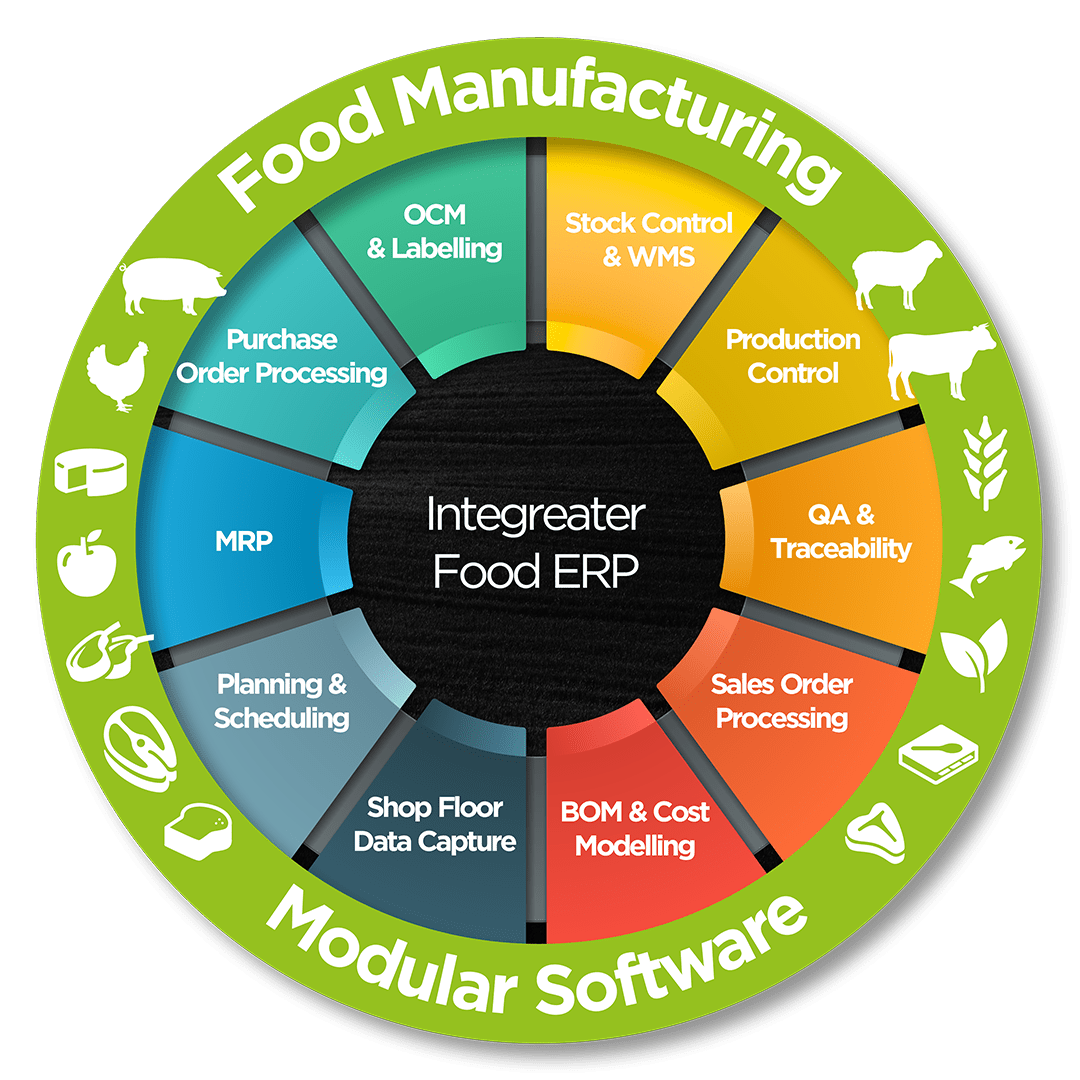
Another important consideration when customizing an ERP solution for production is integrating additional modules or functionalities that are specific to the industry. For example, a manufacturing company may need to incorporate modules for managing raw materials, tracking work-in-progress inventory, and monitoring machine performance. By integrating these additional modules into the ERP system, companies can gain better visibility into their production processes and make more informed decisions.
Customization may also involve configuring the ERP system to meet the unique reporting and analytics needs of the organization. This can include setting up custom dashboards, reports, and key performance indicators that provide insight into key production metrics such as production efficiency, product quality, and on-time delivery. By customizing the reporting capabilities of the ERP system, companies can better track and analyze production performance, identify areas for improvement, and make data-driven decisions.
Furthermore, customizing an ERP solution for production may involve adapting the system to comply with industry-specific regulations and standards. For example, companies in the food and beverage industry may need to ensure that their ERP system meets strict regulations for food safety and traceability. By customizing the ERP system to include features such as batch tracking, expiration date management, and allergen control, companies can ensure compliance with industry regulations and maintain product quality.
In conclusion, customizing an ERP solution for production is essential for meeting the specific needs of the organization and industry. By tailoring the software to fit the unique workflow, integrating industry-specific modules, configuring reporting capabilities, and adapting to regulatory requirements, companies can optimize their production operations, improve efficiency, and drive business growth.
Originally posted 2024-06-20 07:25:22.