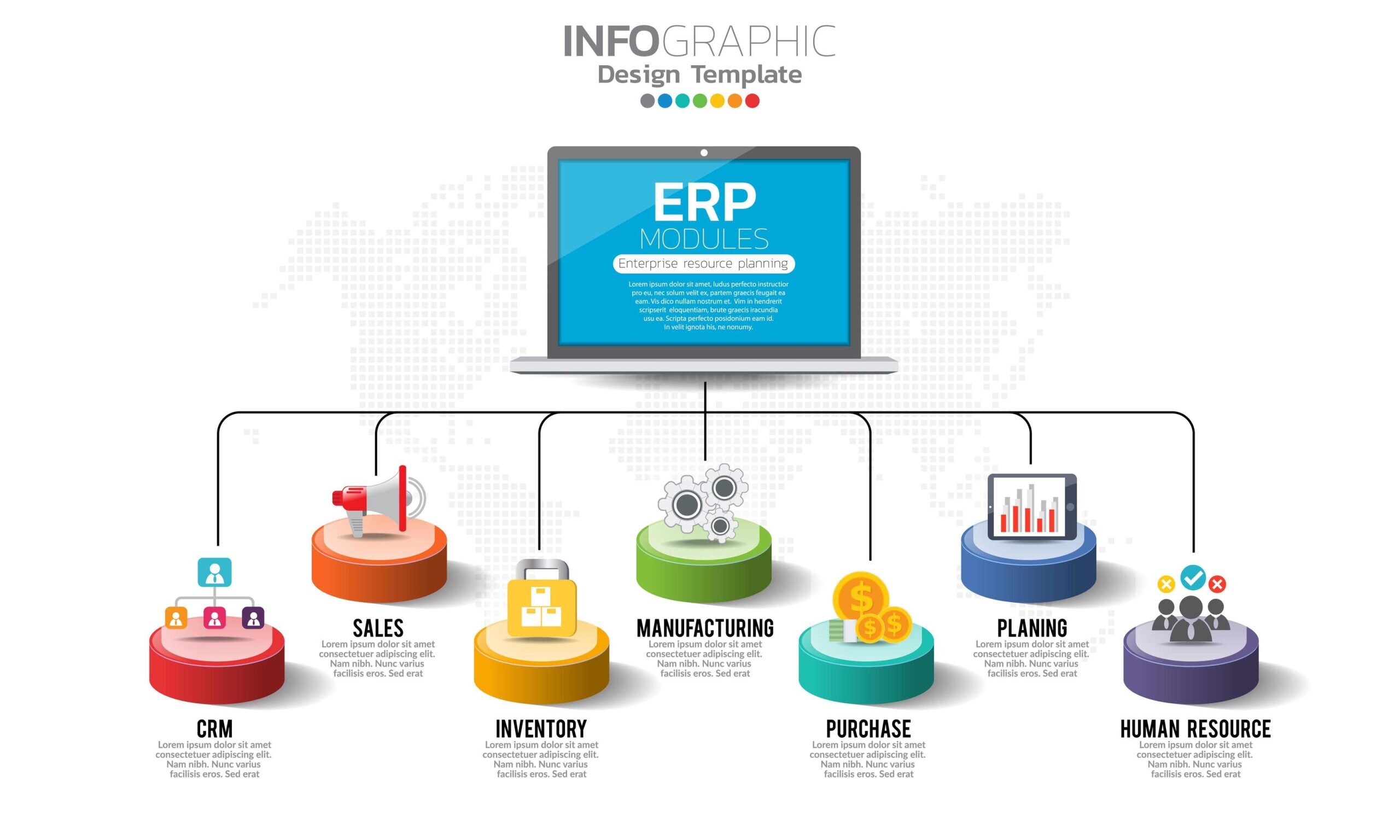
Welcome, dear reader, to a journey into the world of Enterprise Resource Planning (ERP) systems and the transformative power of cloud solutions. In today’s fast-paced business environment, organizations are constantly seeking ways to streamline their operations, improve efficiency, and stay ahead of the competition. ERP systems have long been touted as essential tools for achieving these goals, but the advent of cloud technology has unlocked a whole new level of potential. By harnessing the power of the cloud, businesses can now access their ERP systems from anywhere, at any time, making collaboration and decision-making easier than ever before. Join us as we explore how cloud solutions are revolutionizing the way businesses leverage ERP to drive growth and success.
Benefits of ERP Cloud Solutions
ERP (Enterprise Resource Planning) Cloud Solutions offer a wide range of benefits to businesses that choose to implement them. From cost savings to increased accessibility, here are some of the key advantages of using ERP Cloud Solutions:
1. Cost Savings: One of the biggest benefits of ERP Cloud Solutions is the cost savings that come along with them. Traditional ERP systems require a significant upfront investment in hardware, software, and implementation services. With ERP Cloud Solutions, businesses can eliminate the need for expensive infrastructure and instead pay a predictable monthly subscription fee. This subscription-based model allows businesses to better allocate their resources and avoid unexpected costs associated with maintenance and upgrades.
Furthermore, ERP Cloud Solutions often come with automatic updates and maintenance, reducing the need for dedicated IT staff to manage the system. This can result in additional cost savings for businesses, as they no longer need to invest in ongoing IT support to keep their ERP system up and running smoothly.
In addition to the cost savings associated with ERP Cloud Solutions, businesses can also benefit from increased flexibility and scalability. Cloud-based ERP systems allow for easy customization and integration with other software applications, making it easier for businesses to adapt to changing market conditions and business requirements. This flexibility can help businesses stay agile and competitive in a rapidly changing market environment.
Overall, the cost savings associated with ERP Cloud Solutions can have a significant impact on a business’s bottom line. By reducing upfront costs, eliminating the need for dedicated IT support, and providing greater flexibility and scalability, ERP Cloud Solutions can help businesses improve their operational efficiency and profitability.
Implementation of ERP Cloud Solutions
Implementing ERP cloud solutions can be a game-changer for businesses looking to streamline their operations and increase efficiency. The process of implementing ERP cloud solutions involves several key steps that are crucial to the success of the implementation.
First and foremost, it is important to assess the current state of the business and identify the key areas where ERP cloud solutions can provide the most benefit. This involves understanding the specific needs and pain points of the organization and determining how ERP cloud solutions can address these issues.
Once the key areas for improvement have been identified, the next step is to select the right ERP cloud solution that aligns with the business goals and objectives. It is important to choose a solution that is scalable, flexible, and user-friendly to ensure a smooth implementation process.
After selecting the ERP cloud solution, the next step is to plan the implementation process. This involves creating a detailed implementation plan that outlines the key milestones, timelines, and resources required for the successful deployment of the ERP cloud solution. It is important to involve key stakeholders in the planning process to ensure buy-in and support throughout the implementation.
Once the implementation plan has been finalized, the next step is to configure the ERP cloud solution to meet the specific needs of the organization. This involves setting up the system, customizing workflows, and integrating data from existing systems to ensure a seamless transition to the new ERP cloud solution.
Training and education are also key components of the implementation process. It is important to provide comprehensive training to end-users to ensure they are comfortable using the new system and understand the benefits it can bring to their daily tasks. This can help drive user adoption and maximize the return on investment of the ERP cloud solution.
Finally, ongoing support and maintenance are crucial for the long-term success of the ERP cloud solution. It is important to have a dedicated team in place to provide technical support, troubleshoot any issues that may arise, and ensure the system is running smoothly.
In conclusion, the implementation of ERP cloud solutions is a complex process that requires careful planning, stakeholder engagement, and ongoing support. By following these key steps, businesses can successfully deploy ERP cloud solutions that drive efficiency, increase productivity, and support growth.
Features of ERP Cloud Solutions
ERP (Enterprise Resource Planning) Cloud Solutions offer a wide range of features that can benefit businesses of all sizes. These features are designed to streamline operations, improve efficiency, and enhance decision-making capabilities. Let’s explore some of the key features that make ERP Cloud Solutions a valuable tool for modern businesses:
1. Scalability: One of the main advantages of ERP Cloud Solutions is their scalability. Whether you are a small start-up or a large enterprise, ERP systems can easily adjust to your business needs. With cloud-based ERP solutions, you can easily scale up or down depending on the growth of your business without having to worry about investing in new hardware or software.
2. Flexibility: ERP Cloud Solutions offer a high degree of flexibility, allowing businesses to customize the software according to their specific requirements. With cloud-based ERP systems, you can easily add new modules or functionalities as your business grows and changes. This flexibility ensures that the ERP system can adapt to the evolving needs of your organization.
3. Automated Processes: One of the standout features of ERP Cloud Solutions is the automation of various business processes. This automation not only saves time but also reduces the likelihood of errors. With ERP systems, routine tasks such as inventory management, order processing, and financial reporting can be automated, freeing up valuable time for employees to focus on more strategic activities.
Furthermore, automated processes can improve the accuracy and consistency of data, leading to better decision-making and increased operational efficiency. By automating repetitive tasks, businesses can minimize human error and ensure that critical processes are executed consistently and efficiently.
4. Real-Time Data Analysis: ERP Cloud Solutions provide businesses with the ability to access real-time data analysis, enabling them to make informed decisions quickly. With cloud-based ERP systems, managers can easily track key performance indicators (KPIs), monitor trends, and identify potential opportunities or risks in real time. This real-time visibility into business operations allows organizations to respond promptly to changing market conditions and make strategic decisions based on accurate data.
5. Enhanced Security: Security is a top priority for businesses when it comes to sensitive data and confidential information. ERP Cloud Solutions offer enhanced security features such as data encryption, firewalls, and regular security updates to protect business data from unauthorized access or cyber threats. By storing data in secure cloud servers, businesses can ensure that their information is protected from potential security breaches.
Overall, ERP Cloud Solutions offer a wide range of features that can help businesses streamline operations, improve efficiency, and enhance decision-making capabilities. From scalability and flexibility to automation of processes and real-time data analysis, ERP systems provide businesses with the tools they need to succeed in today’s competitive business environment.
Cost-effectiveness of ERP Cloud Solutions
When it comes to ERP systems, cost is always a significant factor to consider. Traditional on-premise ERP solutions can be expensive in terms of upfront costs for hardware, software, and IT support. On the other hand, ERP cloud solutions offer a more cost-effective alternative.
One of the primary reasons why ERP cloud solutions are more cost-effective is because they require minimal upfront investment. With cloud-based ERP, there is no need to purchase expensive servers, storage devices, or software licenses. Instead, you can simply pay a monthly subscription fee based on the number of users and features you require. This pay-as-you-go model allows organizations to scale their ERP solution as needed without incurring large capital expenditures.
Additionally, ERP cloud solutions often come with lower maintenance costs compared to on-premise solutions. Cloud providers handle all of the maintenance and upgrades, eliminating the need for in-house IT staff to manage the system. This not only reduces labor costs but also ensures that the system is always up-to-date with the latest features and security patches.
Another way ERP cloud solutions are cost-effective is by reducing the need for extensive hardware infrastructure. With on-premise solutions, organizations must invest in servers, storage devices, and networking equipment to support the ERP system. This can be a significant cost, especially for small and medium-sized businesses with limited IT budgets. However, with cloud-based ERP, all of the infrastructure is provided by the cloud provider, allowing organizations to avoid these upfront hardware expenses.
Furthermore, ERP cloud solutions offer a high level of flexibility and scalability, allowing organizations to adjust their usage and costs based on their needs. For example, if a company experiences rapid growth, they can easily add more users or features to their cloud ERP subscription without having to invest in new hardware or software licenses. On the other hand, if a company needs to downsize or reduce usage, they can scale back their subscription to save costs. This level of flexibility is not possible with traditional on-premise ERP solutions.
In conclusion, the cost-effectiveness of ERP cloud solutions is a key advantage for organizations looking to modernize their ERP systems without breaking the bank. By minimizing upfront investments, reducing maintenance costs, eliminating the need for extensive hardware infrastructure, and providing flexibility and scalability, cloud-based ERP solutions offer a cost-effective alternative to traditional on-premise solutions.
Trends in ERP Cloud Solutions
ERP Cloud Solutions have seen a significant rise in popularity in recent years, as businesses strive to stay competitive in a rapidly evolving digital landscape. Several key trends are shaping the future of ERP Cloud Solutions, driving innovation and efficiency in business operations.
One major trend is the adoption of artificial intelligence (AI) and machine learning in ERP systems. These technologies are revolutionizing the way companies manage their operations, offering predictive analytics and automation capabilities that streamline processes and drive better decision-making. AI-powered ERP systems can analyze vast amounts of data in real-time, providing valuable insights that help businesses optimize their resources and identify opportunities for growth.
Another important trend is the move towards more integrated and modular ERP Cloud Solutions. Businesses are increasingly looking for flexible and scalable solutions that can easily integrate with other systems and applications. Modular ERP systems allow companies to customize their software to meet their specific needs, while also enabling seamless connectivity with third-party tools and platforms. This modular approach to ERP implementation gives businesses the agility and adaptability they need to respond quickly to changing market conditions.
Cloud-native ERP solutions are also gaining traction in the market. These systems are designed to run on the cloud from the ground up, offering increased scalability, flexibility, and accessibility compared to traditional on-premise ERP systems. Cloud-native ERP solutions allow businesses to access their data and applications from anywhere, at any time, enabling more efficient collaboration and decision-making across teams and departments.
Mobile ERP applications are becoming increasingly popular as well, as businesses seek to empower their employees with access to critical information on the go. Mobile ERP solutions enable employees to perform tasks, access data, and make decisions from their smartphones and tablets, improving productivity and efficiency. These applications are designed with user-friendly interfaces and intuitive functionalities, making it easy for employees to stay connected and informed while on the move.
Lastly, sustainability and environmental responsibility are emerging as key considerations in ERP Cloud Solutions. Businesses are becoming more conscious of their impact on the environment and are seeking ERP systems that help them reduce their carbon footprint and operate more sustainably. Some ERP vendors are integrating sustainability features into their solutions, such as energy-efficient processes, waste reduction tools, and carbon emission tracking capabilities. By adopting environmentally friendly ERP Cloud Solutions, businesses can not only improve their bottom line but also contribute to a more sustainable future for the planet.
Originally posted 2024-06-20 19:27:48.