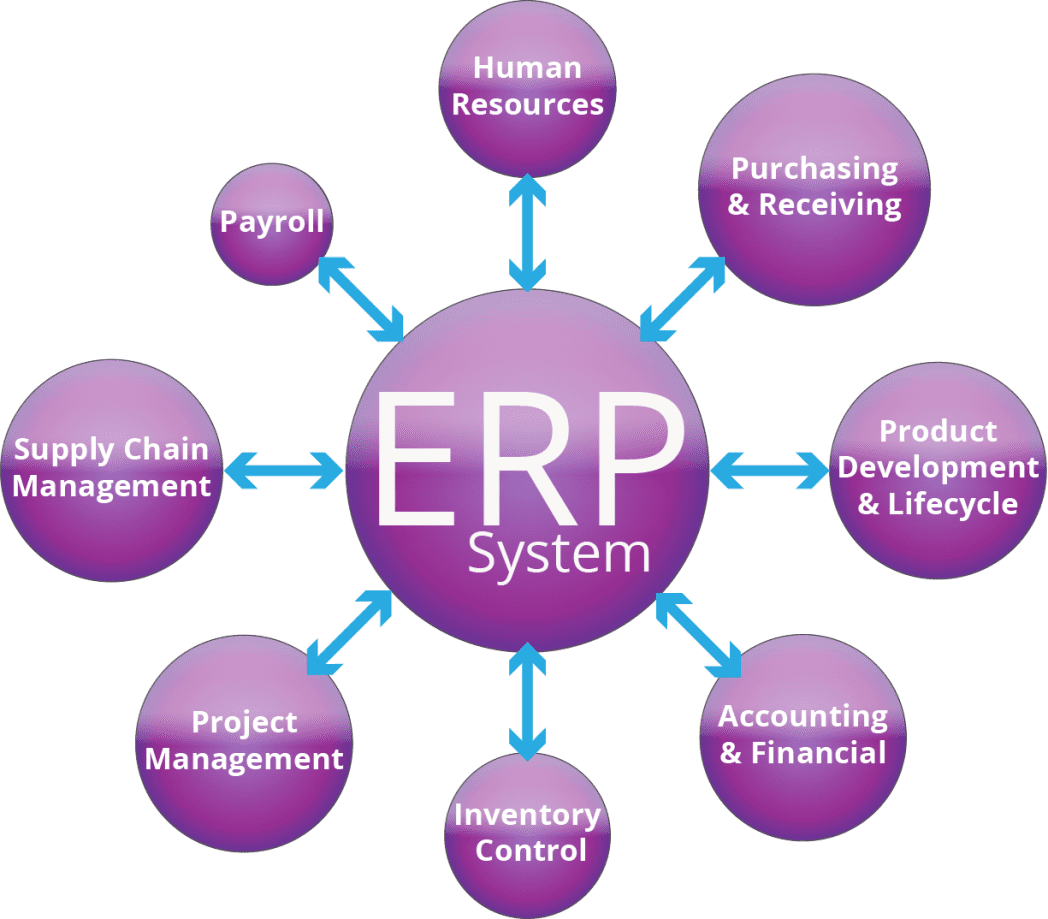
Welcome to the world of small business manufacturing, where efficiency and growth are key to success. In order to streamline operations and maximize productivity, many small manufacturers are turning to ERP solutions. These software systems offer a comprehensive approach to managing everything from inventory and production schedules to customer orders and accounting. By implementing an ERP solution tailored to their specific needs, small manufacturers can boost efficiency, reduce costs, and drive growth in a highly competitive market.
Benefits of ERP for Small Business Manufacturing
Implementing an ERP system can provide numerous benefits for small business manufacturing companies. The first major benefit is increased efficiency. ERP software streamlines processes and eliminates the need for manual data entry, reducing the likelihood of errors and improving overall productivity. By automating tasks such as inventory management, order processing, and scheduling, employees can focus on more strategic activities that drive business growth.
Another advantage of ERP for small business manufacturing is improved visibility. With all data stored in a centralized system, managers have real-time access to key performance indicators and reports. This visibility allows for better decision-making, as leaders can quickly identify issues or trends that need attention. Additionally, ERP systems can provide insights into customer demand and inventory levels, enabling businesses to optimize production and meet customer expectations.
Cost savings is also a significant benefit of implementing an ERP system. By streamlining processes and reducing manual tasks, businesses can lower operational costs and improve their bottom line. Additionally, ERP software can help minimize inventory holding costs by providing accurate demand forecasts and optimizing inventory levels. By reducing excess inventory and avoiding stockouts, companies can improve cash flow and better manage their working capital.
Enhanced customer satisfaction is another key benefit of ERP for small business manufacturing. With improved visibility into customer demand and production capabilities, companies can respond more quickly to customer needs and deliver products on time. This can lead to increased customer loyalty and repeat business, as well as a positive reputation in the market. By meeting customer expectations consistently, businesses can differentiate themselves from competitors and build long-lasting relationships with clients.
Lastly, implementing an ERP system can help small business manufacturing companies stay competitive in a rapidly changing market. By streamlining processes, improving visibility, reducing costs, and enhancing customer satisfaction, businesses can adapt to market demands more effectively and seize new opportunities for growth. With the right ERP system in place, small manufacturers can position themselves for long-term success and sustainability in an increasingly challenging business environment.
Implementation Challenges for Small Business Manufacturing
Implementing an ERP system can be particularly challenging for small business manufacturing companies due to various factors. One of the biggest challenges is the lack of resources, both in terms of financial capital and skilled personnel. Small businesses often operate on tight budgets and may not have the resources to invest in a comprehensive ERP system. Additionally, they may not have IT staff with the expertise required to deploy and maintain the system effectively.
Another challenge for small business manufacturing companies is the complexity of their operations. Unlike larger organizations, small businesses may have limited processes and a smaller scale of operations. This can make it difficult to adapt an ERP system designed for larger companies to fit their specific needs and requirements. As a result, customization may be necessary, which can be time-consuming and costly.
Integration with existing systems is also a common challenge for small business manufacturing companies. Many small businesses may already have legacy systems in place that they have been using for years. Integrating these systems with a new ERP system can be a complex process, requiring careful planning and execution. In some cases, it may be necessary to replace or upgrade existing systems, which can add to the overall cost and complexity of the implementation process.
Furthermore, small business manufacturing companies may face resistance from employees when implementing an ERP system. Employees may be resistant to change and may not see the value of the new system. They may also be concerned about job security and how the new system will impact their roles and responsibilities. To overcome this challenge, it is important for management to communicate openly with employees about the benefits of the ERP system and involve them in the implementation process.
In conclusion, small business manufacturing companies face a variety of challenges when implementing an ERP system. From limited resources and complex operations to integration issues and employee resistance, there are many factors that can impact the success of the implementation process. By addressing these challenges proactively and seeking support from experienced ERP providers, small businesses can increase their chances of successfully implementing an ERP system that improves their operations and drives growth.
Key Features to Look for in ERP Systems for Small Business Manufacturing
When it comes to choosing an ERP system for your small business manufacturing operations, it’s important to consider the key features that will help streamline processes, improve efficiency, and enhance overall productivity. Here are some essential features to look for:
1. **Inventory Management:** An effective ERP system should provide robust inventory management capabilities that allow you to track raw materials, work in progress, and finished goods in real-time. This feature helps you optimize stock levels, reduce carrying costs, and prevent stockouts.
2. **Production Planning:** Look for an ERP system that offers production planning tools to help you optimize your manufacturing processes. This feature should allow you to create production schedules, allocate resources effectively, and monitor progress against targets.
3. **Quality Control:** Quality control is crucial in manufacturing to ensure that products meet industry standards and customer expectations. A good ERP system should offer quality control modules that enable you to track and manage quality control processes throughout the production cycle. This includes capturing and analyzing data on defects, rework, and scrap, as well as implementing corrective actions to address quality issues.
4. **Supply Chain Management:** An ERP system with supply chain management capabilities helps you streamline procurement, vendor management, and logistics. Look for features such as supplier relationship management, demand forecasting, and order tracking to help you improve supply chain visibility and collaboration.
5. **Financial Management:** A comprehensive ERP system should include financial management features that enable you to track costs, manage budgets, and analyze financial performance. Look for modules like accounts payable/receivable, general ledger, and financial reporting to help you make informed decisions and ensure financial stability.
6. **Integration with Other Systems:** Make sure the ERP system you choose can integrate with other essential business systems such as CRM, e-commerce platforms, or HR software. Seamless integration allows for data sharing and automation across different departments, reducing manual data entry and improving overall efficiency.
7. **Scalability:** As your small business grows, your ERP system should be able to scale with you. Look for a solution that offers scalability options, such as adding more users, modules, or customizations as needed. This flexibility ensures that your ERP system can adapt to your changing business needs without requiring a complete overhaul.
In conclusion, when evaluating ERP systems for small business manufacturing, it’s essential to consider these key features to ensure that the system can meet your specific requirements and help you drive success in your manufacturing operations.
Cost Considerations for Small Business Manufacturing ERP
Implementing an ERP system for small business manufacturing can be a significant financial investment. There are various cost considerations that need to be taken into account when deciding on the best ERP solution for your business.
One of the first costs to consider is the initial setup and implementation cost. This includes the cost of purchasing the software, as well as the costs associated with installing and customizing the system to meet your specific business needs. It is important to budget for these expenses and ensure that you have the necessary resources available to cover them.
In addition to the initial setup costs, ongoing maintenance and support costs are also an important consideration. Many ERP systems require regular updates and maintenance to ensure optimal performance. You may also need to invest in training for your employees to ensure they can effectively use the system. It is important to factor in these ongoing costs when evaluating the total cost of ownership of an ERP system.
Another cost consideration for small business manufacturing ERP is the cost of integration with other systems. If you already have existing systems in place, such as a CRM or accounting software, you will need to ensure that your ERP system can seamlessly integrate with these systems. The cost of integration can vary depending on the complexity of the systems involved, so it is important to carefully evaluate this cost before making a decision.
Furthermore, licensing costs are an important consideration when evaluating ERP systems for small business manufacturing. Some ERP vendors charge a per-user license fee, while others offer a flat fee for unlimited users. It is important to consider how many users will need access to the system and how this will impact your overall cost. You should also consider any additional fees, such as hosting fees or support fees, that may be associated with the licensing agreement.
In conclusion, there are various cost considerations to take into account when evaluating ERP systems for small business manufacturing. It is important to consider not only the initial setup costs, but also ongoing maintenance and support costs, integration costs, and licensing costs. By carefully evaluating these costs and comparing different ERP solutions, you can make an informed decision that aligns with your budget and business needs.
Success Stories of Small Businesses Implementing ERP for Manufacturing
Implementing an ERP system for manufacturing can be a game-changer for small businesses, streamlining processes, improving efficiency, and ultimately increasing profitability. Here are five success stories of small businesses that have implemented ERP systems for manufacturing:
1. ABC Manufacturing Company: ABC Manufacturing Company was struggling with managing their inventory and production schedules manually. With the implementation of an ERP system tailored for small businesses, they were able to automate these processes, leading to a significant reduction in lead times and inventory costs. The company saw a 20% increase in overall productivity within the first year of implementing the ERP system.
2. XYZ Industries: XYZ Industries, a small manufacturing business, was facing challenges in tracking and managing their orders across multiple departments. By implementing an ERP system, they were able to streamline their order processing, leading to faster order cycles and improved customer satisfaction. This resulted in a 15% increase in sales within the first six months of using the ERP system.
3. LMN Machine Shop: LMN Machine Shop, a small family-owned business, was struggling with outdated manual processes that were hindering their growth potential. By implementing an ERP system, they were able to automate their production scheduling, improve inventory management, and gain real-time visibility into their operations. This led to a 25% increase in production output and a 10% reduction in production costs within the first year of using the ERP system.
4. PQR Manufacturing Solutions: PQR Manufacturing Solutions had experienced rapid growth in their small business, but their manual processes were unable to keep up with the increased demand. By implementing an ERP system, they were able to standardize their manufacturing processes, improve communication between departments, and streamline their supply chain management. This resulted in a 30% increase in production capacity and a 10% reduction in order fulfillment times within the first year of using the ERP system.
5. EFG Electronics: EFG Electronics, a small electronics manufacturing business, was struggling with meeting customer demands due to inefficiencies in their production process. By implementing an ERP system, they were able to automate their production planning, track their production costs more accurately, and improve their quality control processes. This led to a 20% increase in on-time deliveries and a 15% reduction in product defects within the first year of using the ERP system.
These success stories demonstrate the significant benefits that small businesses can experience by implementing an ERP system for manufacturing. From increased productivity and efficiency to improved customer satisfaction and profitability, an ERP system can truly transform the way small businesses operate and compete in the manufacturing industry.
Originally posted 2024-06-20 17:04:57.