Is Netsuite ERP?
Welcome, dear reader! Have you ever wondered if Netsuite is an ERP system? Netsuite is a cloud-based software company that offers a range of business management solutions, including ERP (Enterprise Resource Planning). Let’s explore together what makes Netsuite ERP and how it can benefit businesses of all sizes.
Introduction to Netsuite ERP
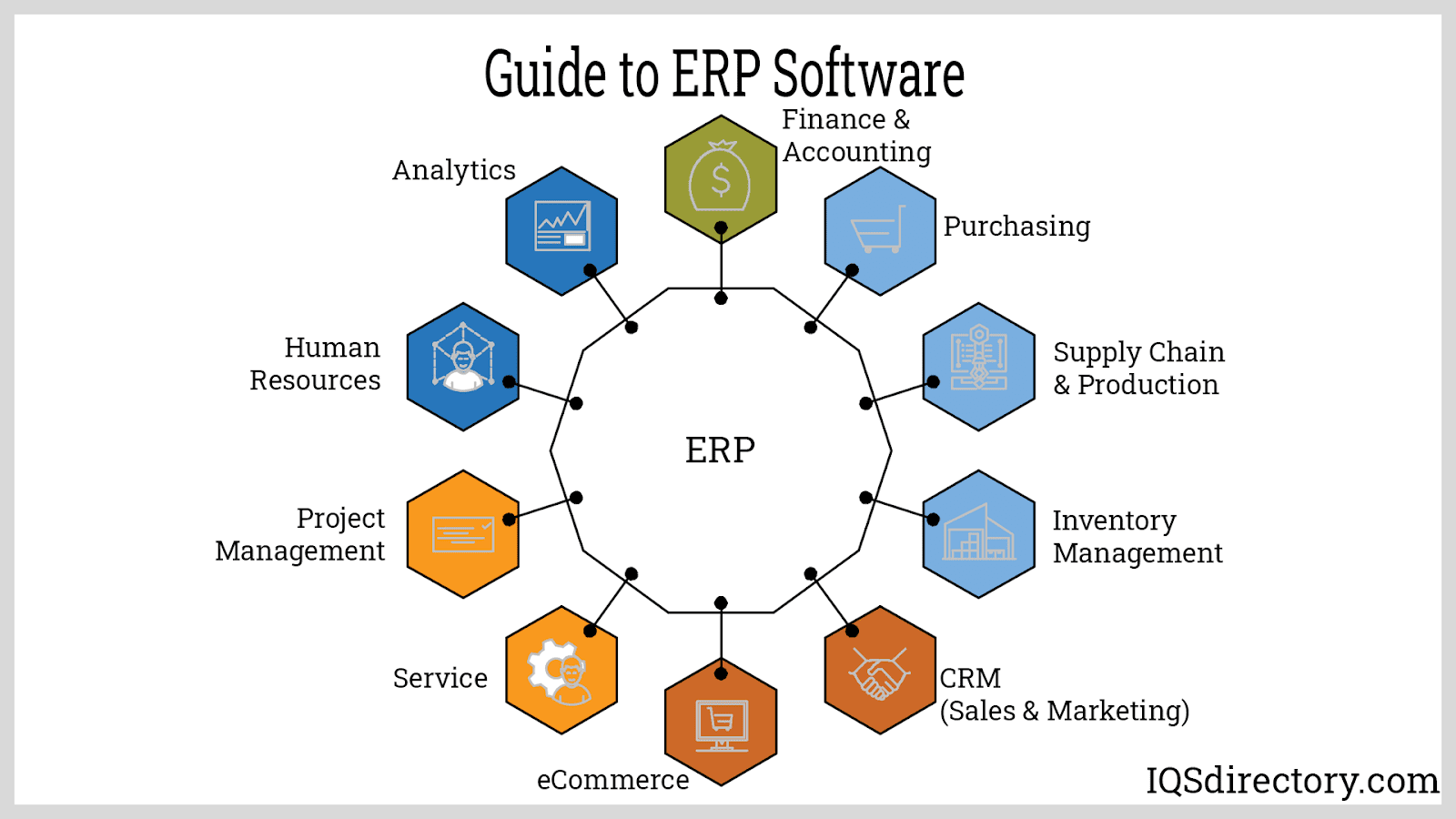
Netsuite ERP, or Enterprise Resource Planning, is a cloud-based software solution that helps businesses manage a wide range of operations, including financials, customer relationship management (CRM), e-commerce, and inventory management. Essentially, it offers a suite of applications that are designed to streamline and automate business processes, making it easier for organizations to operate efficiently and grow their business.
One of the key features of Netsuite ERP is its ability to provide real-time visibility into various aspects of a business, allowing managers to make informed decisions based on up-to-date information. This can be particularly useful for companies with multiple locations, as Netsuite ERP enables them to consolidate data from different sources and get a holistic view of their operations.
Another advantage of Netsuite ERP is its scalability, making it suitable for businesses of all sizes. Whether you are a small startup or a large enterprise, Netsuite ERP can be customized to meet your specific needs and grow with your business. This flexibility is particularly valuable in today’s fast-paced business environment, where companies need to adapt quickly to changing market conditions.
Moreover, Netsuite ERP is known for its user-friendly interface and intuitive design, making it easy for employees to learn and use. This can help reduce training time and improve productivity, as employees can quickly access the information they need and focus on their core responsibilities.
In conclusion, Netsuite ERP offers a comprehensive and flexible solution for businesses looking to streamline their operations and improve their overall efficiency. With its real-time visibility, scalability, and user-friendly interface, Netsuite ERP can help companies of all sizes achieve their goals and stay competitive in today’s market.
Key Features and Benefits of Netsuite ERP
Netsuite ERP is a comprehensive cloud-based software solution that provides businesses with a wide range of features and benefits to help streamline their operations and improve efficiency. In this article, we will explore the key features and benefits of Netsuite ERP that make it a popular choice for businesses of all sizes.
Key Features of Netsuite ERP:
1. Financial Management: Netsuite ERP offers robust financial management capabilities, including tools for managing accounts receivable, accounts payable, general ledger, revenue recognition, and financial reporting. With Netsuite ERP, businesses can gain real-time visibility into their financial performance and make informed decisions based on accurate data.
2. Inventory Management: One of the key features of Netsuite ERP is its advanced inventory management capabilities. Businesses can track inventory levels in real-time, manage multiple warehouse locations, set reorder points, and automate replenishment processes. This helps businesses optimize their inventory levels, reduce carrying costs, and improve order fulfillment rates.
3. Order Management: Netsuite ERP also offers comprehensive order management capabilities, allowing businesses to manage the entire order-to-cash process from a single platform. Businesses can easily create and track orders, manage customer accounts, and streamline the order fulfillment process to improve customer satisfaction and increase efficiency.
4. Customer Relationship Management (CRM): Netsuite ERP includes built-in CRM functionality, which allows businesses to manage customer interactions, track sales opportunities, and provide personalized customer service. By integrating CRM with ERP data, businesses can gain a 360-degree view of their customers and improve sales and marketing efforts.
5. Human Resources Management: Netsuite ERP offers integrated human resources management capabilities, including tools for managing employee information, time tracking, payroll, and benefits administration. Businesses can streamline HR processes, improve employee productivity, and ensure compliance with labor regulations.
Benefits of Netsuite ERP:
1. Scalability: Netsuite ERP is a scalable solution that can grow with your business. Whether you are a small startup or a large enterprise, Netsuite ERP can accommodate your needs and support your growth over time.
2. Cloud-Based: Netsuite ERP is a cloud-based solution, which means that businesses can access their data and applications from anywhere with an internet connection. This provides flexibility and mobility for employees, who can work remotely or while on the go.
3. Cost-Effective: Netsuite ERP eliminates the need for upfront hardware and software investments, as well as ongoing maintenance costs. This can result in cost savings for businesses, as well as predictable monthly subscription fees.
4. Real-Time Reporting: Netsuite ERP provides real-time insights into your business performance through customizable dashboards and reports. This allows businesses to make data-driven decisions quickly and easily.
5. Integration Capabilities: Netsuite ERP can integrate with other business applications, such as CRM, e-commerce platforms, and third-party systems. This allows businesses to streamline their operations and improve collaboration between departments.
In conclusion, Netsuite ERP offers a wide range of key features and benefits that can help businesses improve efficiency, streamline operations, and drive growth. Whether you are looking to optimize your financial management, inventory tracking, order fulfillment, or customer relationships, Netsuite ERP provides a comprehensive solution that can meet your needs.
Is Netsuite ERP Suitable for Small Businesses?
Netsuite ERP is a powerful and comprehensive cloud-based Enterprise Resource Planning (ERP) system that offers a wide range of features and functionalities to help businesses streamline their operations and improve efficiency. While Netsuite ERP is often associated with larger enterprises, it can also be a suitable option for small businesses looking to scale and grow.
1. Cost-Effective Solution: One of the biggest concerns for small businesses when considering an ERP system is the cost. Netsuite offers different pricing options and packages that can be tailored to fit the budget and needs of small businesses. Additionally, the cloud-based nature of Netsuite eliminates the need for expensive hardware resources and IT support, making it a cost-effective solution for small businesses.
2. Scalability: Small businesses that are looking to grow and expand can benefit from Netsuite’s scalability. The system can easily grow with the business, accommodating an increase in data, users, and operations without requiring a complete overhaul of the system. This scalability ensures that small businesses can continue to use Netsuite as they grow and evolve, making it a long-term solution.
3. Customization and Flexibility: One of the key advantages of Netsuite ERP is its customization and flexibility. Small businesses often have specific needs and requirements that may not be met by off-the-shelf ERP solutions. Netsuite allows businesses to customize the system to meet their unique needs, whether it’s creating custom reports, integrating third-party applications, or adding new functionalities. This level of customization and flexibility ensures that small businesses can tailor Netsuite to fit their specific requirements and workflows, making it a highly adaptable solution.
4. Streamlined Operations: Small businesses often struggle with inefficient processes and disparate systems that can hinder productivity and growth. Netsuite ERP provides a single, integrated platform that centralizes all business operations, from finance and accounting to inventory management and CRM. This centralized system eliminates silos and data duplication, streamlining operations and making it easier for small businesses to manage and optimize their processes.
5. Support and Training: Implementing an ERP system can be a daunting task for small businesses with limited resources and expertise. Netsuite offers comprehensive support and training programs to help small businesses seamlessly transition to the system. From initial implementation to ongoing support and updates, Netsuite provides the necessary resources and guidance to ensure a successful deployment and utilization of the system.
In conclusion, Netsuite ERP can be a suitable and beneficial solution for small businesses looking to streamline their operations, improve efficiency, and scale their business. With its cost-effective pricing, scalability, customization, and support, Netsuite offers small businesses the tools and capabilities to compete in today’s competitive business landscape.
Comparing Netsuite ERP with Other ERP Systems
When it comes to choosing an ERP system for your business, there are several options available in the market. Netsuite ERP is one of the leading ERP systems that are widely used by businesses of all sizes. Let’s take a closer look at how Netsuite ERP compares to other ERP systems.
1. Customization and Flexibility: Netsuite ERP is known for its flexibility and scalability, allowing businesses to customize the system to meet their specific needs. Other ERP systems may offer some level of customization, but Netsuite stands out for its robust customization capabilities.
2. Cloud-based Platform: One of the key advantages of Netsuite ERP is that it is a cloud-based platform, which means that users can access the system from anywhere with an internet connection. This level of accessibility is not always available in other ERP systems, which may require on-premise installation.
3. Unified Platform: Netsuite ERP offers a unified platform that integrates various business functions such as financial management, inventory management, CRM, and e-commerce. This seamless integration allows for real-time data sharing across departments, resulting in better decision-making and efficiency. Other ERP systems may require additional integrations to achieve similar functionality.
4. Pricing and Cost: When comparing Netsuite ERP with other ERP systems, it is essential to consider the pricing structure and overall cost. Netsuite ERP is known for its all-in-one pricing model, which includes licensing, implementation, maintenance, and support costs. This comprehensive pricing structure can be beneficial for businesses looking for a predictable budget and simplified financial planning.
On the other hand, some ERP systems may have a more complex pricing structure, with additional costs for customization, integrations, and ongoing maintenance. This can make it challenging for businesses to estimate the total cost of ownership and may lead to unexpected expenses down the line.
In conclusion, Netsuite ERP offers a compelling solution for businesses looking for a flexible, cloud-based, and unified ERP system. Its customization capabilities, accessibility, and simplified pricing structure set it apart from other ERP systems in the market. Ultimately, the choice of ERP system will depend on the specific needs and budget constraints of each business.
Implementing Netsuite ERP in Your Organization
Implementing Netsuite ERP in your organization can be a game-changer for your business. Netsuite ERP is a cloud-based software that offers a comprehensive suite of tools to help manage various business processes such as accounting, inventory management, customer relationship management, and more. Here are some key steps to successfully implement Netsuite ERP in your organization:
1. Planning and Preparation: Before implementing Netsuite ERP, it is essential to have a clear plan in place. Identify the key stakeholders in your organization who will be involved in the implementation process. Establish clear goals and objectives for the implementation, and create a timeline for completion. It is also crucial to assess your current business processes and identify any areas that need improvement.
2. Customization and Configuration: Netsuite ERP is a highly customizable software, allowing you to tailor it to meet the specific needs of your organization. Work closely with the Netsuite implementation team to customize and configure the software according to your requirements. This may involve setting up workflows, designing custom reports, and integrating third-party applications.
3. Training and Education: Once Netsuite ERP has been customized and configured for your organization, it is essential to provide training and education to your employees. Ensure that all users are familiar with the software and understand how to use it effectively. Conduct training sessions, provide user manuals, and offer ongoing support to help employees successfully adopt Netsuite ERP.
4. Data Migration: Before going live with Netsuite ERP, you will need to migrate your existing data to the new system. This can be a complex process, as it requires transferring data from multiple sources, ensuring data accuracy, and preserving data integrity. Work closely with the Netsuite implementation team to develop a data migration strategy and execute the migration smoothly.
5. Testing and Deployment: Before rolling out Netsuite ERP to your entire organization, it is crucial to conduct thorough testing to ensure that the software functions as intended. Test all modules, workflows, and integrations to identify any issues or bugs that need to be addressed. Once testing is complete, deploy Netsuite ERP in phases, starting with a pilot group of users before gradually expanding to the entire organization.
By following these key steps, you can successfully implement Netsuite ERP in your organization and reap the benefits of a streamlined and efficient business management system. With the right planning, customization, training, data migration, testing, and deployment, Netsuite ERP can help improve productivity, reduce costs, and drive growth for your organization.
Originally posted 2024-06-20 13:04:07.