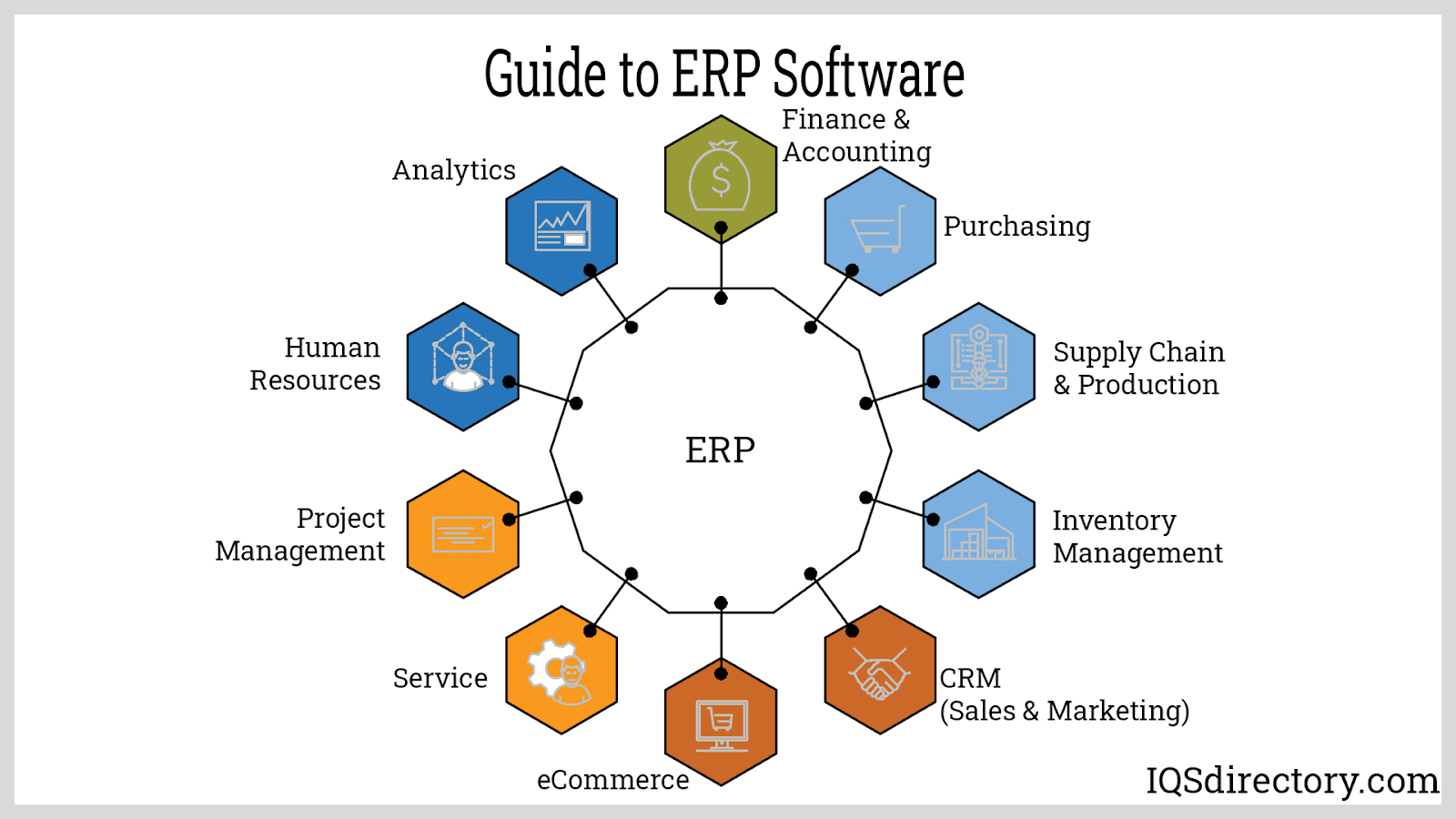
Hey there! Are you a business owner looking to streamline your operations and improve efficiency? Hiring an ERP developer could be just what you need. ERP, or Enterprise Resource Planning, systems can help businesses of all sizes manage their resources, automate processes, and make better decisions. By bringing in an experienced ERP developer, you can tailor the system to meet your specific needs and ensure a smooth implementation process. Keep reading to discover the many benefits of hiring an ERP developer for your business.
Qualifications and Skills Required
When looking to hire an ERP developer, there are certain qualifications and skills that you should look for in candidates. These qualifications and skills will ensure that the developer is able to effectively work with ERP systems and provide value to your organization. Here are some key qualifications and skills to consider:
1. Technical Proficiency: One of the most important qualifications for an ERP developer is technical proficiency. The developer should have a strong understanding of ERP systems and how they work. They should be skilled in programming languages such as Java, C++, or Python, as well as have experience working with databases such as SQL. Additionally, they should be familiar with ERP software such as SAP, Oracle, or Microsoft Dynamics. A strong technical foundation will allow the developer to effectively troubleshoot issues, customize ERP systems, and develop new functionalities.
2. Analytical Skills: ERP developers need to have strong analytical skills in order to understand complex business processes and identify areas for improvement within the ERP system. They should be able to analyze data, assess requirements, and develop solutions to meet the needs of the organization. Strong analytical skills will allow the developer to effectively map business processes to the ERP system, optimize workflows, and create reports that provide valuable insights to stakeholders.
3. Communication Skills: Communication is key in any role, but especially for an ERP developer who will be working closely with various stakeholders within the organization. The developer should be able to effectively communicate technical concepts to non-technical staff, gather requirements from different departments, and collaborate with team members to implement solutions. Strong communication skills will ensure that the developer can effectively translate business needs into technical requirements and make informed decisions that align with the organization’s goals.
4. Problem-Solving Abilities: ERP developers often encounter complex technical issues that require creative problem-solving skills. The developer should be able to think outside the box, troubleshoot issues efficiently, and find innovative solutions to challenges that arise within the ERP system. Strong problem-solving abilities will allow the developer to identify root causes, implement fixes, and prevent similar issues from occurring in the future, ultimately improving the overall performance of the ERP system.
5. Project Management Skills: Many ERP development projects involve multiple stakeholders, tight deadlines, and changing requirements. The developer should have strong project management skills to effectively plan, prioritize tasks, and manage resources in order to meet project deadlines and deliver results. Effective project management skills will ensure that the developer can successfully lead ERP implementation projects, coordinate with cross-functional teams, and deliver solutions that align with the organization’s strategic objectives.
Overall, when hiring an ERP developer, it is important to look for candidates who possess the right qualifications and skills to effectively work with ERP systems and drive business value. By considering technical proficiency, analytical skills, communication skills, problem-solving abilities, and project management skills, you can ensure that you hire a qualified and capable ERP developer who will contribute to the success of your organization.
Finding Experienced ERP Developers
When searching for experienced ERP developers, it is important to keep in mind the specific skills and qualifications that are necessary for this role. One key factor to consider is the level of experience that a developer has in working with ERP systems. Look for developers who have a proven track record of successfully implementing and customizing ERP solutions for other businesses. This will ensure that they have the knowledge and expertise needed to help your company navigate the complexities of an ERP system.
Additionally, it is important to find ERP developers who are familiar with the specific ERP software that your company uses. Whether you use SAP, Oracle, Microsoft Dynamics, or another ERP system, you will want to hire developers who have experience working with that particular platform. This will not only save time and resources during the implementation process, but also ensure that the developers are familiar with the intricacies of the software and can provide effective solutions tailored to your company’s needs.
In addition to technical skills, it is also important to consider the soft skills of ERP developers. Look for developers who are good communicators, team players, and problem solvers. ERP projects often require collaboration across departments and teams, so it is important to hire developers who can effectively communicate with different stakeholders and work well in a team setting. Additionally, ERP projects can be complex and challenging, so hiring developers who are adept at problem-solving and critical thinking will help ensure the success of the project.
One of the best ways to find experienced ERP developers is through networking and referrals. Reach out to other companies in your industry who have successfully implemented ERP systems and ask for recommendations. Attend industry events and conferences where you can meet ERP developers and learn more about their skills and experience. You can also search online job boards and professional networking sites to find qualified ERP developers who are actively looking for new opportunities.
Finally, when interviewing potential ERP developers, be sure to ask specific questions about their experience with ERP systems, their familiarity with the software your company uses, and their approach to problem-solving and collaboration. Ask for examples of past projects they have worked on and the results they have achieved. By thoroughly vetting potential candidates and ensuring they have the necessary skills and qualifications, you can confidently hire ERP developers who will help your company succeed in implementing and optimizing your ERP system.
Benefits of Hiring an ERP Developer
When it comes to running a successful business, having an Enterprise Resource Planning (ERP) system in place can make a significant difference. An ERP system can help streamline processes, improve efficiency, and increase overall productivity. However, in order to fully maximize the benefits of an ERP system, it is important to hire a skilled ERP developer. Here are some of the benefits of hiring an ERP developer for your business:
1. Customization
One of the major benefits of hiring an ERP developer is the ability to customize the ERP system to meet the specific needs of your business. Every business is unique, with its own set of processes and requirements. An ERP developer can work with you to tailor the system to fit your exact specifications, ensuring that it integrates seamlessly with your existing systems and processes. This level of customization can help improve efficiency, reduce errors, and streamline operations.
2. Expertise
ERP developers are experts in their field, with in-depth knowledge and experience working with ERP systems. By hiring an ERP developer, you are gaining access to their expertise and technical skills. They can provide valuable insights and recommendations on how to best utilize the ERP system to achieve your business goals. Whether you need help with system upgrades, integration with third-party applications, or troubleshooting technical issues, an ERP developer has the expertise to help you navigate the complexities of the system.
3. Ongoing Support
Once the ERP system is up and running, it is important to have ongoing support to ensure that it continues to meet the needs of your business. An ERP developer can provide ongoing support and maintenance for the system, helping to address any issues that may arise and keeping the system running smoothly. From software updates to troubleshooting technical issues, an ERP developer can provide the support you need to keep your ERP system functioning at its best.
In conclusion, hiring an ERP developer can offer a wide range of benefits for your business. From customization to expertise to ongoing support, an ERP developer can help you maximize the potential of your ERP system and drive business growth. So, if you are looking to take your business to the next level, consider hiring an ERP developer today.
Assessing the Fit for Your Company
When looking to hire an ERP developer for your company, it’s crucial to assess the fit for your specific needs. This means considering factors such as the developer’s skill set, experience, and ability to work well with your team. Here are some key points to consider when evaluating whether an ERP developer is the right fit for your company:
1. Technical Skills: One of the most important factors to consider when hiring an ERP developer is their technical skills. Make sure the developer has experience working with the specific ERP system you use or plan to implement. Ask about their proficiency in programming languages, database management, and other technical skills that are relevant to your ERP project.
2. Industry Experience: Another important consideration is the developer’s industry experience. Look for a developer who has worked on projects similar to yours or has experience in your specific industry. This can help ensure they understand your company’s unique needs and requirements, leading to a more successful ERP implementation.
3. Team Compatibility: A good fit for your company also means the developer can work well with your existing team. Consider the developer’s communication skills, collaboration style, and ability to adapt to your company’s culture. A developer who can effectively communicate and collaborate with your team members will help streamline the ERP development process and avoid conflicts.
4. Problem-Solving Skills: In addition to technical skills and industry experience, it’s essential to assess the developer’s problem-solving abilities. Look for evidence of the developer’s ability to think critically, analyze complex problems, and come up with creative solutions. This is especially important when working on complex ERP projects that may require troubleshooting and adapting to changing requirements.
Overall, assessing the fit for your company when hiring an ERP developer involves evaluating a combination of technical skills, industry experience, team compatibility, and problem-solving abilities. By carefully considering these factors, you can find a developer who not only has the right expertise but also fits well with your company’s culture and goals.
Tips for Interviewing ERP Developers
When it comes to hiring an ERP developer, it’s crucial to conduct a thorough interview process to ensure you are selecting the right candidate for the job. Here are some tips for interviewing ERP developers:
1. Define Your Requirements: Before conducting interviews, make sure you have a clear understanding of your company’s requirements for the ERP developer position. This will help you ask targeted questions during the interview process.
2. Technical Skills Assessment: During the interview, assess the candidate’s technical skills by asking them about their experience with ERP systems, specific programming languages, and any relevant certifications they may have. You can also give them a small technical task to complete to gauge their problem-solving abilities.
3. Communication Skills: Communication is key in any role, but especially for ERP developers who need to work closely with various teams within a company. Ask the candidate about their experience working in teams, their communication style, and how they handle conflicts or challenges in a professional setting.
4. Cultural Fit: Evaluate whether the candidate would be a good fit for your company’s culture. This could include asking them about their work ethic, their ability to adapt to different work environments, and their overall attitude towards teamwork and collaboration.
5. Scenario-based Questions: To truly assess a candidate’s problem-solving skills and ability to think on their feet, consider asking scenario-based questions during the interview. For example, you could present them with a hypothetical situation related to ERP implementation and ask how they would approach it. This will give you insight into their thought process, decision-making skills, and ability to handle real-world challenges.
By following these tips for interviewing ERP developers, you can ensure that you are selecting a candidate who not only has the technical skills required for the job but also fits well within your company culture and can effectively communicate and problem-solve in a team setting. Good luck with your hiring process!
Originally posted 2024-06-20 12:50:41.